
First pensions, and now bankruptcy tsunami
 July 12, 2012
By Steven Greenhut
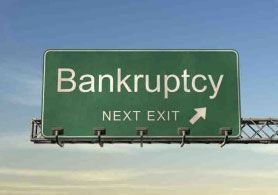
First Vallejo, then Stockton, then Mammoth Lakes and now San Bernardino. As Orange County Supervisor John Moorlach told Bloomberg News, the bankruptcy dominoes are starting to fall. One California city after another — following a decade-long spree of ramping up public-employee pay and pension benefits, as well as redevelopment debt — are becoming insolvent.
Not that the state’s legislators have anything constructive to offer. California’s Democratic leaders are not only unwilling to rein in the costs of benefits for their patrons, the public-sector unions, but they have been erecting roadblocks to those localities that want to fix the problem on their own. Yet all the political blockades in the world cannot fix the basic problem of insolvency.
Stockton negotiated the new process created by a state law requiring a 60-day period of negotiations before filing for Chapter 9 bankruptcy. That period is over and the city – a hard-pressed port on the edge of the California Delta – has become the largest city in the country to pursue municipal bankruptcy. The cause was a pension system eating up 30 percent of the budget, an absurdly generous retiree medical program that provided lifetime benefits after working for the city for a short period, and excess bond debt for pension obligations and redevelopment projects.
Soon after, Mammoth Lakes decided to pursue bankruptcy. That city’s problem came after it lost a judgment in a development case. Although not tied to public-employee compensation, the situation was caused by city officials who prefer to play developer than tend to the nuts-and-bolts of city government – a long-term problem in that eastern Sierra vacation town. In 1996, Mammoth Lakes lost a court case after it declared its downtown area blighted because of excess urbanization, in a ruling the judge said exemplified the misuse of redevelopment power.
The latest city to declare bankruptcy is San Bernardino, which has declared an emergency situation that will allow it to evade the negotiation period mandated by state law. The city simply doesn’t have the cash to keep operating. As Bloomberg reported, “San Bernardino and its agencies have more than $220 million of debt, including $48.6 million of taxable pension-obligation bonds, according to financial statements.” Pension-obligation bonds are used by cities to pay ongoing pension expenses, yet San Bernardino’s problems show that a city cannot borrow its way out of debt.
Other big cities, including Los Angeles, are talking more openly about the bankruptcy option. Not long ago critics who mentioned the B-word were considered Chicken Littles.
The latest talking point is that these cities couldn’t control what happened to them – that they were victims of the foreclosure crisis that rocked the inland areas where housing construction boomed during the housing bubble.
Foreclosures
The Riverside Press-Enterprise reported: “The city of San Bernardino’s financial woes are a directly correlation to a torrent of foreclosures in the Inland area of Southern California, the national foreclosure tracking firm RealtyTrac said Thursday. ‘Property taxes plunged in San Bernardino because of an avalanche of foreclosure activity during the recent housing bust,’ said RealtyTrac vice president Daren Blomquist.”
There’s no doubt San Bernardino and Stockton — Ground Zero for the housing crisis — suffered from the problem described above. But what did those cities do with the rapid increase in property tax revenues during the price run-up? We know – they squandered it on increased compensation for government employees, on redevelopment projects and other questionable spending deals. They squandered the money when it came flowing in, now depict themselves as victims of circumstance when the funds dried up.
The real culprit, as I argue here in City Journal, is foolish decision making. Stockton, for instance, refused to take advantage of an exemption in prevailing wage laws – something that could have saved it money but would have angered the powerful unions.
The housing bubble hit the hardest in cities inland from the growth-controlled major metropolitan areas. When the prices went up in Los Angeles and San Francisco, developers moved inland, where it was easier to get the permits necessary to respond to the demands of the marketplace.
Coastal cities
But even coastal cities are struggling. Los Angeles is not a victim of the foreclosure crisis. Pension costs in San Jose — where the housing market has rebounded thanks to a healthy tech-based economy — rose 350 percent in 10 years and now consume 20 percent of the general-fund budget. That city passed pension reform on the November ballot to stop the fiscal bleeding.
Here Joe Mathews debunks San Bernardino’s allegations that the state is to blame for its fiscal problems: “Local elected officials who complain about a lack of state money have things backwards. The state of California is relatively spare in its spending, compared to national averages. California’s local officials are, by contrast, big spenders, at or near the national lead in compensation for local workers, especially law enforcement.”
There’s no doubt the problem is fiscally profligate local governments, who busted the bank on public-safety pay and benefit packages and now are looking to cast blame anywhere they can.
Bankruptcy is not a great option but at least it gives cities a chance to get their house in order and start fresh. Unfortunately, Vallejo and Stockton refused to tackled existing pension debt in their bankruptcy plans. Orange County emerged from bankruptcy in the 1990s in better shape than ever, but as Chris Reed explained for CalWatchdog, subsequent boards of supervisors then began spending like crazy on public-sector compensation.
Bankruptcy cannot stop future officials from wasting the taxpayer dollar. But when there’s no money, there’s nothing left to do. In Scranton, Pa., a judge issued an injunction to stop the mayor’s plan to begin paying all city employees minimum wage. But there’s no money left to pay any more than that, he said. The city will gladly pay more as soon as it has the cash to pay it.
Only when the money runs out will cities find the necessary solutions. That’s perhaps the saddest commentary on the situation in California cities these days.
Related Articles

Growing CA’s education welfare system
May 25, 2012 By Katy Grimes SACRAMENTO — Democratic Assembly Speaker John Perez, D-Los Angeles, has been pushing unusually hard to
Brown Says Lots, But What Will He Do?
FEB. 1, 2011 This year, they actually showed Gov. Jerry Brown’s State of the State address at the elegant Esquire
Brown's Job Got Twice as Hard
NOV. 12, 2010 By JOHN SEILER Less than a month ago, on Oct. 18, Moody’s Investor Service issued a report
